There are multiple massage types that one can opt for in Columbus, Ohio, and all of them cater to unique needs. The Swedish massage, deep tissue massage, sports massage, hot stone massage, reflexology, shiatsu, acupressure, prenatal massage, and a back walking massage are the top choices. The selection varies based on one’s body and what the individual hopes to achieve through massage therapy.
While choosing the perfect massage among those available in Columbus, Ohio, might appear trickier than making an appointment, the differences between the available types can make this task relatively easy. Some massages are designed primarily to induce calm and enhance blood circulation, while others aim at working on muscles deeper than the top layer. Additionally, some massaging techniques only cover the feet or follow energy lines rather than covering the entire body.
When someone searches for massage therapy in Columbus, Ohio, they are most likely trying to address an issue that is affecting them in real life. They could be dealing with tight muscles because of spending too much time looking at a computer screen. Or they have pulled a muscle playing soccer over the weekend. Or they have become pregnant, making sleeping on one side uncomfortable.
Types of Massages and Who They Suit
Swedish is the common starting point for most massages in Columbus, Ohio. Long gliding strokes and light to medium pressure suit first timers, anyone sensitive to deep work, or people who mostly want to decompress after a stressful week.
Deep tissue massages apply more pressure. The practitioner massages the connective tissue beneath the superficial layer of muscles, making deep tissue beneficial for treating chronic back stiffness, sore shoulder muscles, and injuries from the past that may have caused chronic conditions.
Sports massage is built for active bodies. Runners, lifters, and people with repetitive movement patterns tend to book this one. It often includes assisted stretching and concentrates on the muscle groups you actually use during your sport.
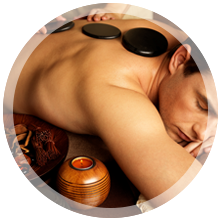
Hot stone therapy involves the placement of warm basalt stones on the back and legs prior to any physical manipulation. Heat helps loosen tight muscles that would not otherwise be reached through manipulation alone, making it a great choice for individuals with cold or stiff shoulders.
Reflexology uses pressure points on the feet and hands that are said to correspond to other parts of the body. People who stand all day, deal with plantar fasciitis, or simply prefer a lighter session often pick this one.
Shiatsu and acupressure both come from traditional Chinese principles. They apply finger and palm pressure along energy lines, without the needles involved in acupuncture. Good fit for people curious about the meridian approach but put off by pins.
Prenatal sessions are done with side positioning and support pillows. They help with lower back pain, hip tightness, and swelling that tends to show up in the second and third trimesters.
Back walking, also called Ashiatsu, has the therapist use their feet with overhead bars for balance. The pressure spreads across a wider area, which often feels less pointed than elbow or thumb work.
Frequently Asked Questions
A duration of sixty minutes is safe for all massage types. If you require a full-body massage, book ninety minutes to avoid being hurried.
If you want to keep fit, schedule appointments once a month. However, if you are working out intensely or dealing with chronic pain, a weekly or biweekly massage is better.
Although some studios allow for walk-ins, it is always wise to book an appointment, especially on weekend evenings when spots get booked quickly.
In Columbus, Ohio, prices range from sixty to one hundred twenty dollars per hour for a sixty-minute massage. Deep tissue and hot stone massages tend to cost more.
A light meal an hour or two before works best. Going in too full can feel uncomfortable, and going in hungry can leave you lightheaded.
Final Thoughts
The right pick comes down to what you want your body to feel after, not the name of the technique on the menu. Someone recovering from a half-marathon needs something different from a parent who has not slept properly in three weeks. Reading through the options, thinking honestly about where you carry tension, and being clear with the therapist on arrival will get you closer to a session that actually does something.